Brand & campaign games
A short, replayable game that carries your brand — for a launch, a holiday, an event or a playable ad. Shareable as a link, embeddable anywhere.
❯ ls ~/games → brickyard/ rinse-rush/ kebap-haus/ micro-24/
From the first playable prototype to a polished, tested release. The same engineering I bring to production web software — fast pages, clean architecture, automated tests — applied to games people actually enjoy.
9.6 KB
Rust → WebAssembly brick engine
60 fps
WebGPU, with a WebGL 2 fallback
17 / 17
sets built end-to-end by an automated playtest
0
audio files — every click is synthesised
// case study
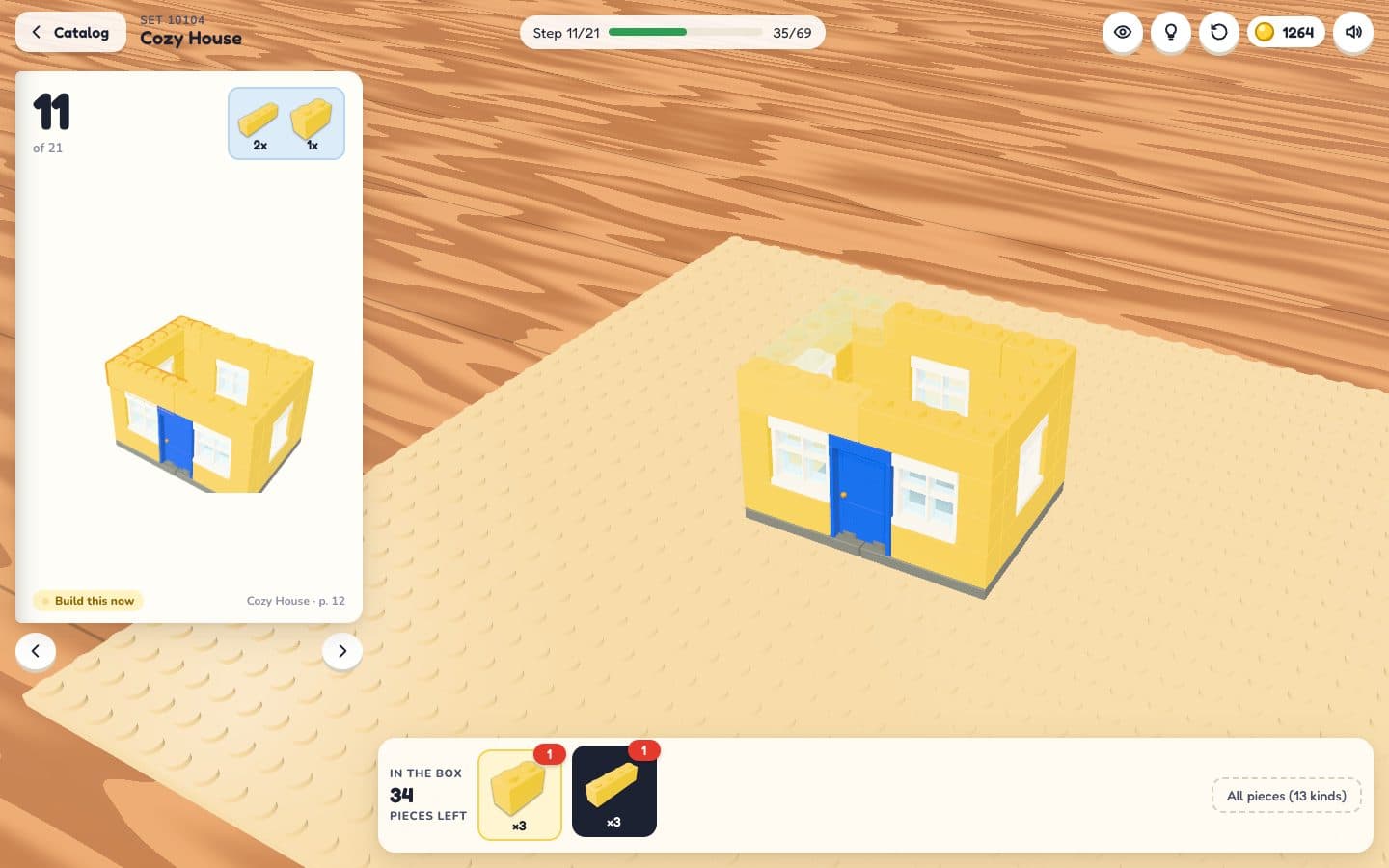
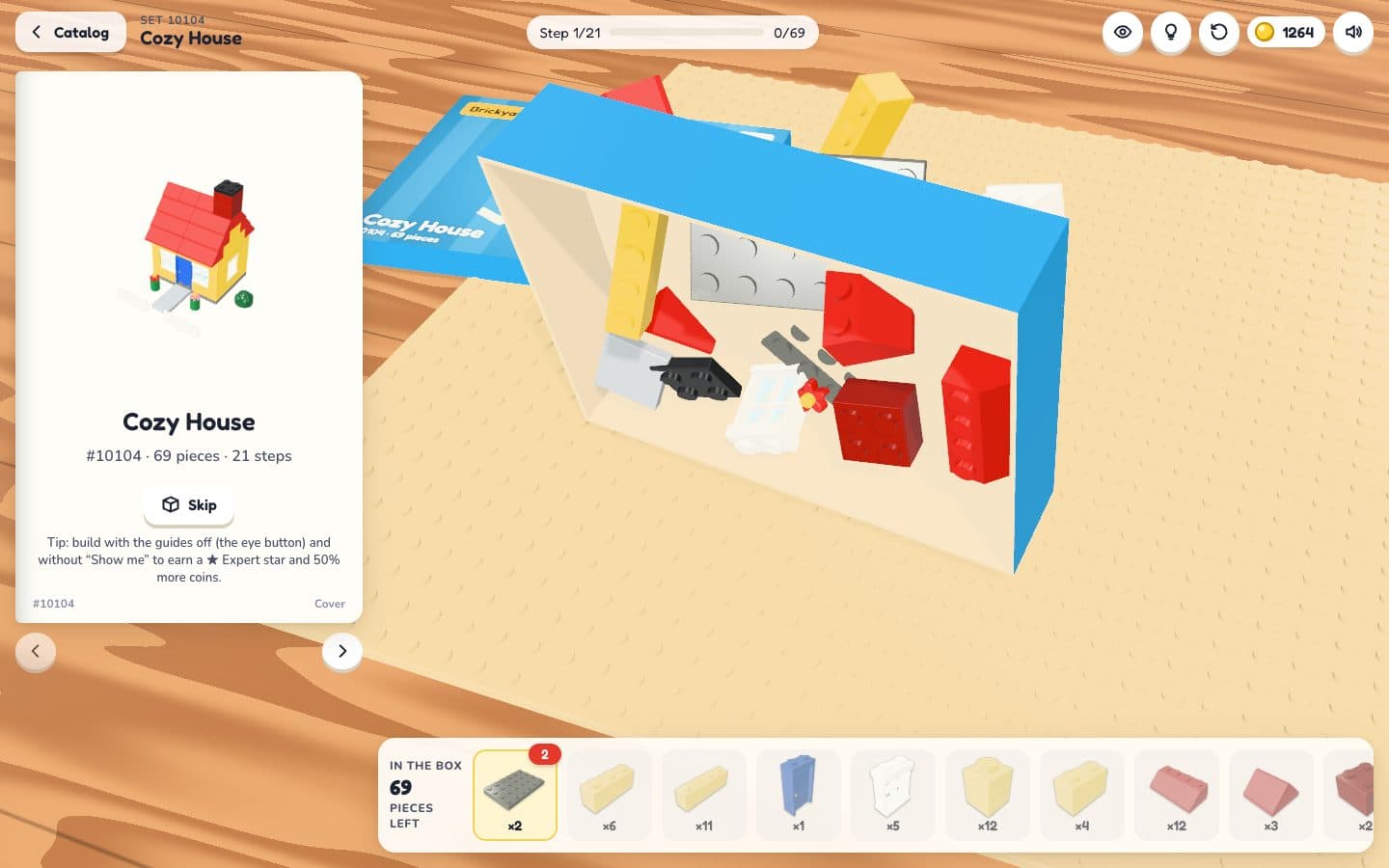
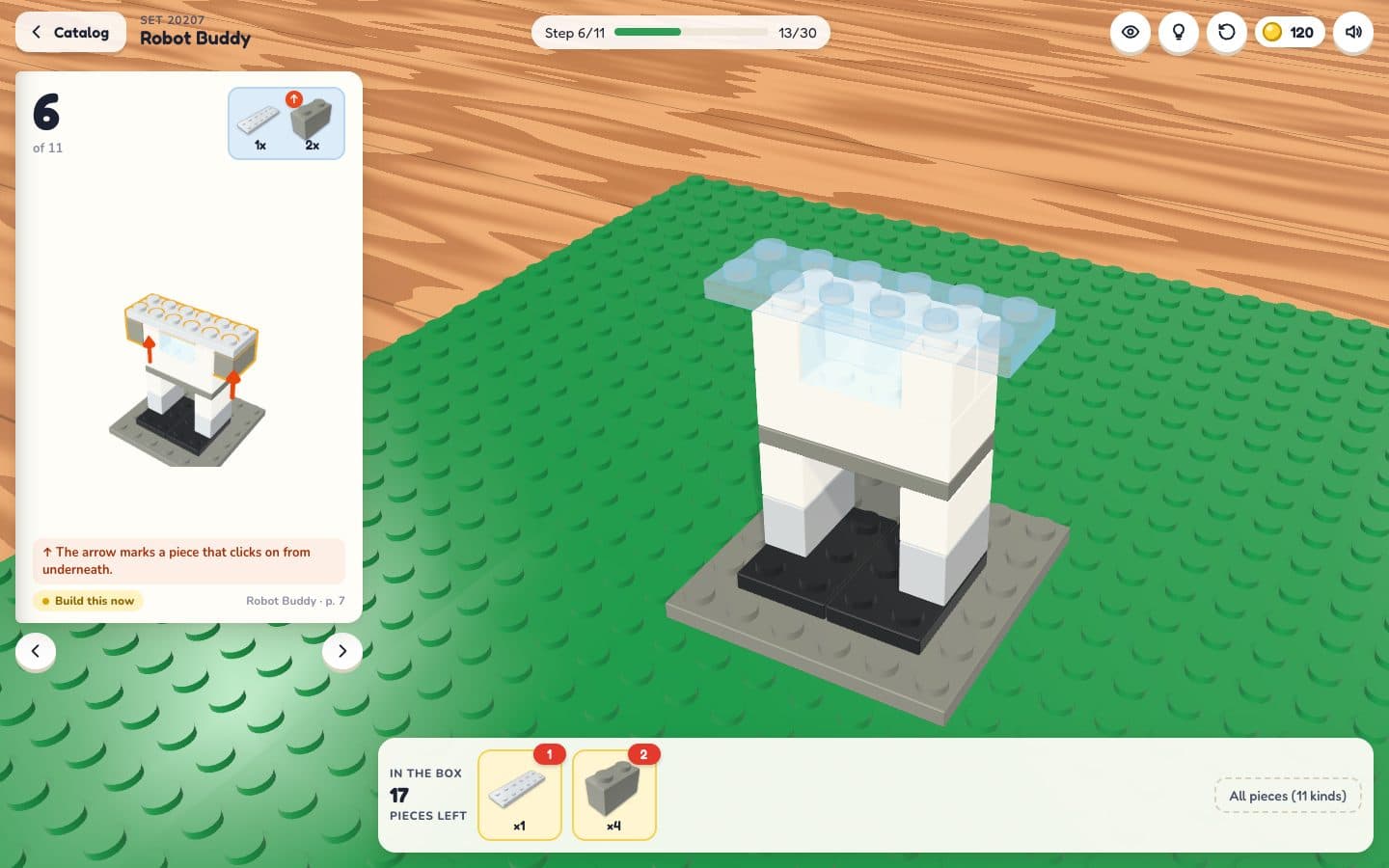
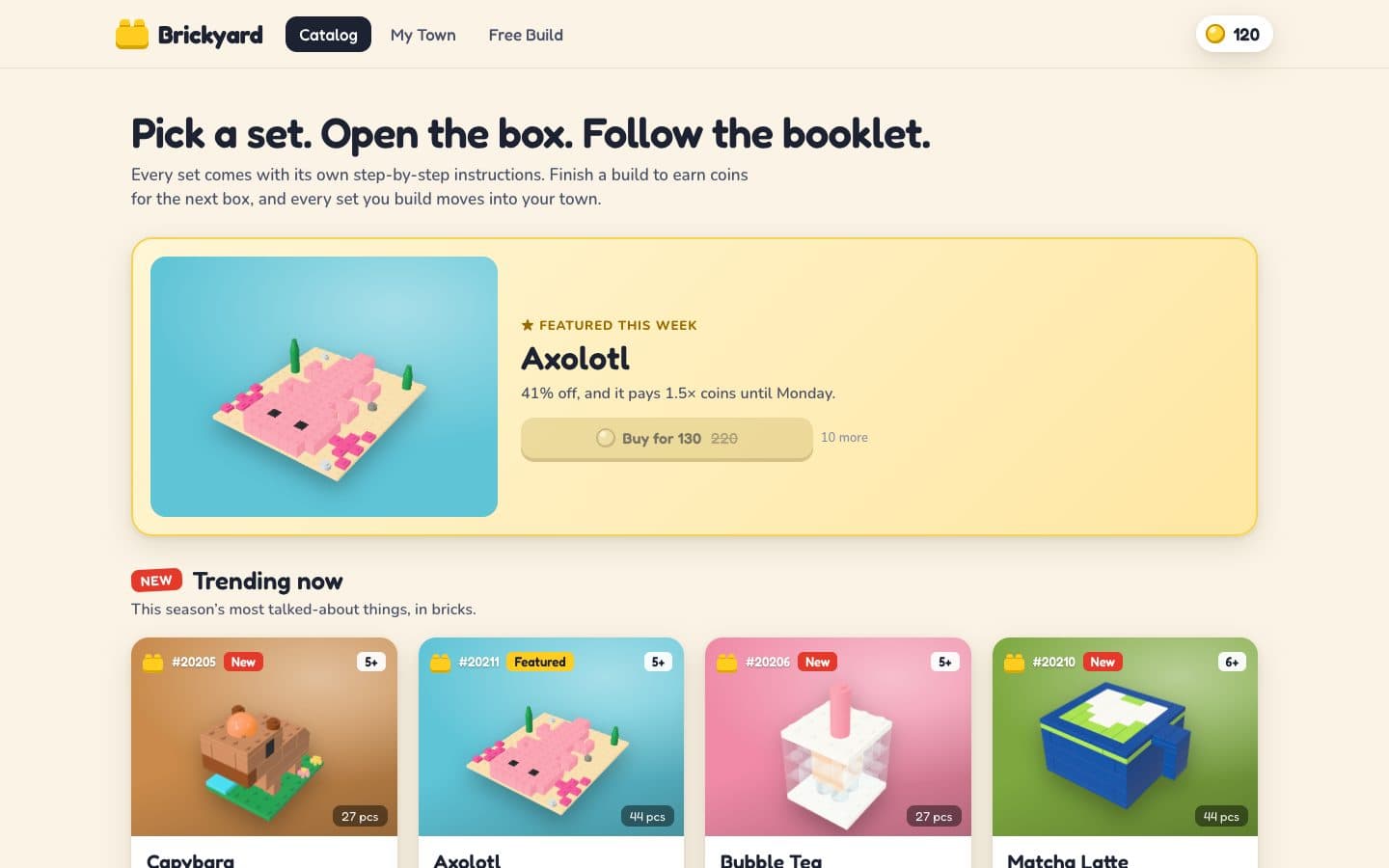
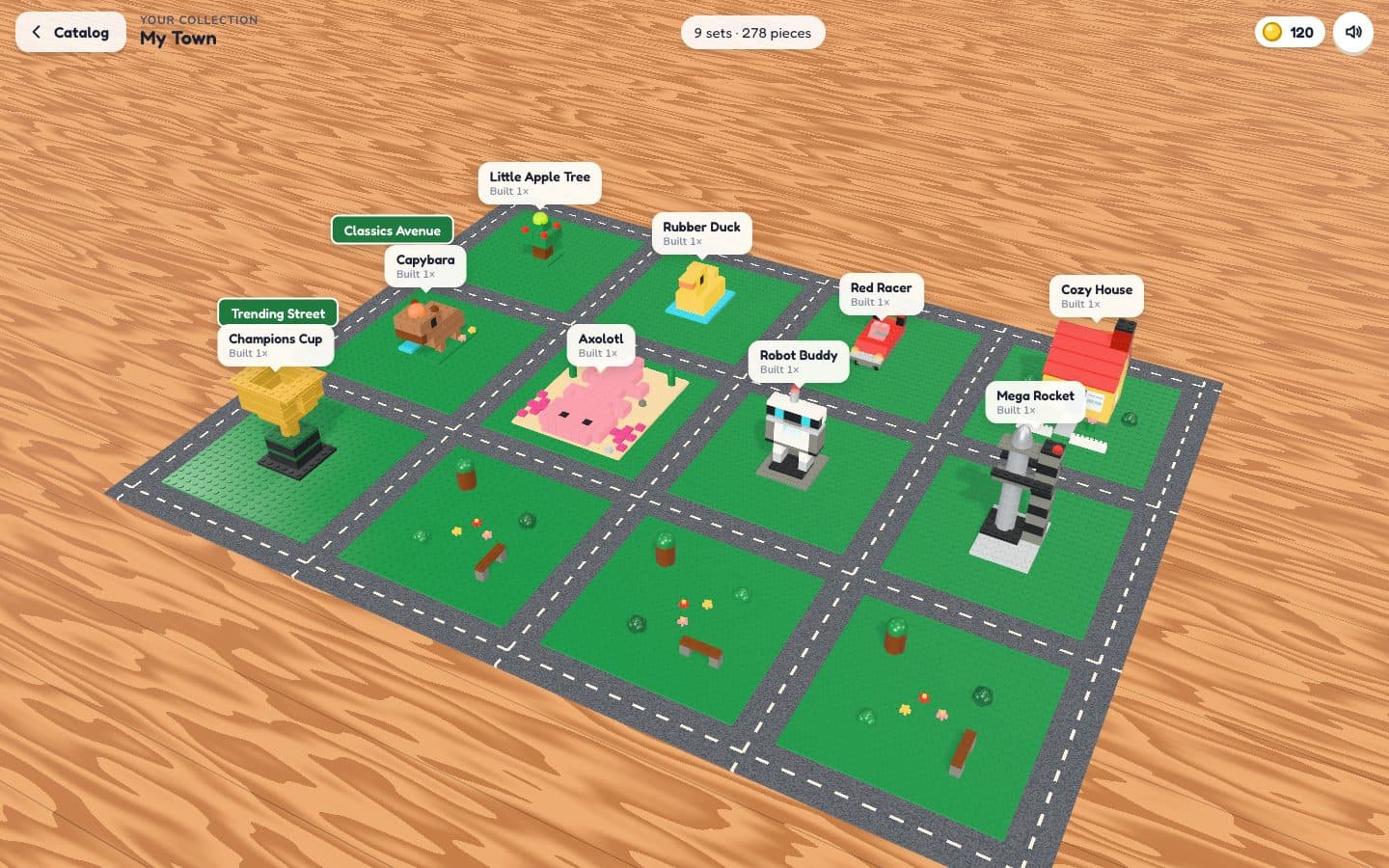
A brick-building game in the browser. Buy a set from the catalog, open the box, and build it step by step from its instruction booklet — then watch it move into your town.
01
A small Rust engine compiled to WebAssembly tracks every stud: collisions, what clicks onto what, what falls when you knock a brick out — and it writes each set's instruction booklet automatically.
02
Materials are written in three.js TSL: plastic with textured slopes, glass, glowing guides, a wooden table. They compile to WGSL on WebGPU and to GLSL on the WebGL 2 fallback.
03
The unboxing is a tiny rigid-body simulation; landing sounds come from the actual impacts. The brick click-clack is synthesised from the resonances of a hollow plastic brick, so no two clicks sound the same.
04
A playtest bot opens every box, builds every set with the booklet in a real browser and writes a visual report — box art, unboxing, booklet pages, the finished model, frame times and console errors.
// more games
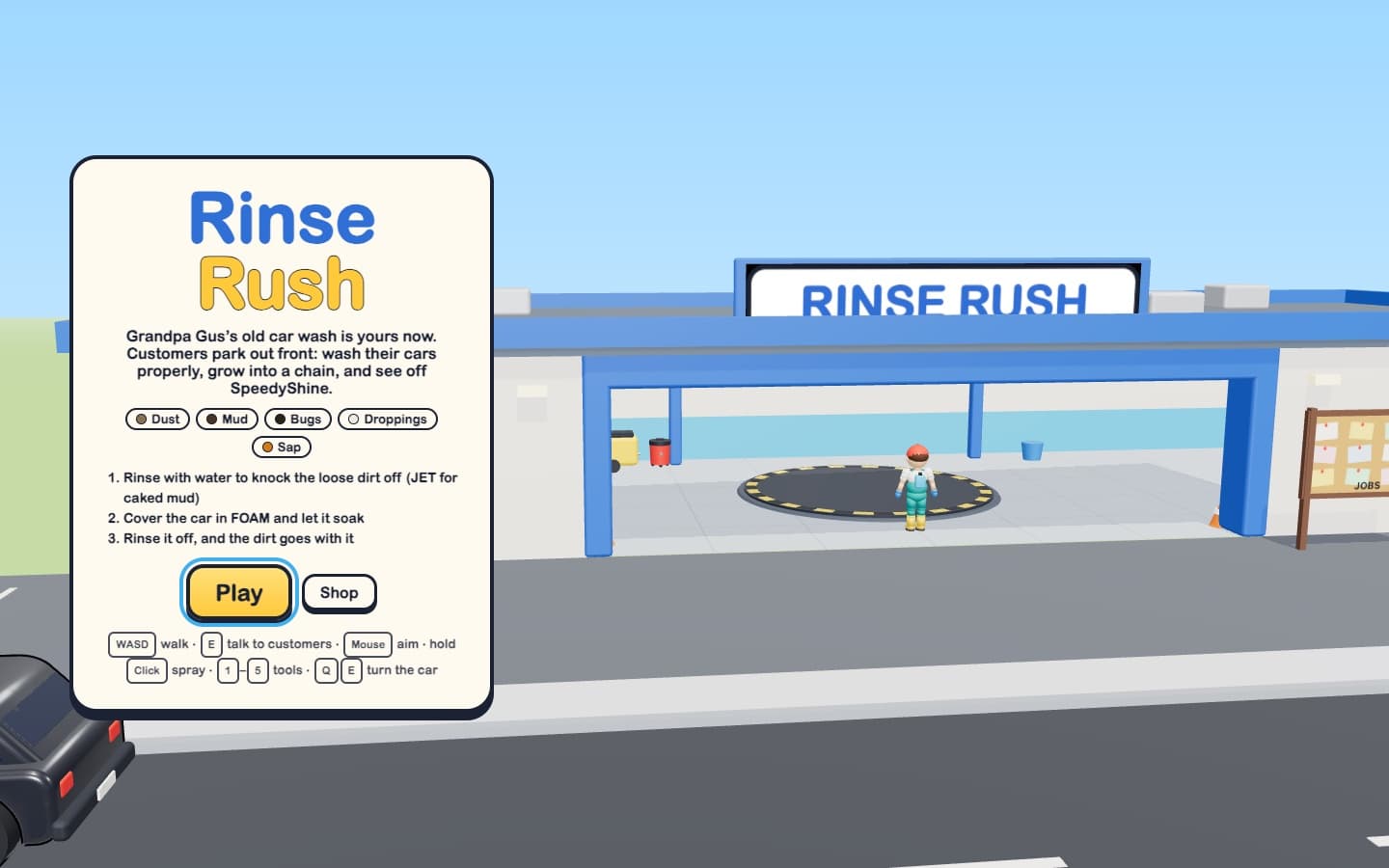
Take over Grandpa Gus’s car wash: rinse, foam and polish dirty cars, clean interiors, hire a crew and grow the business while taking on rival chains.
Play Rinse Rush →
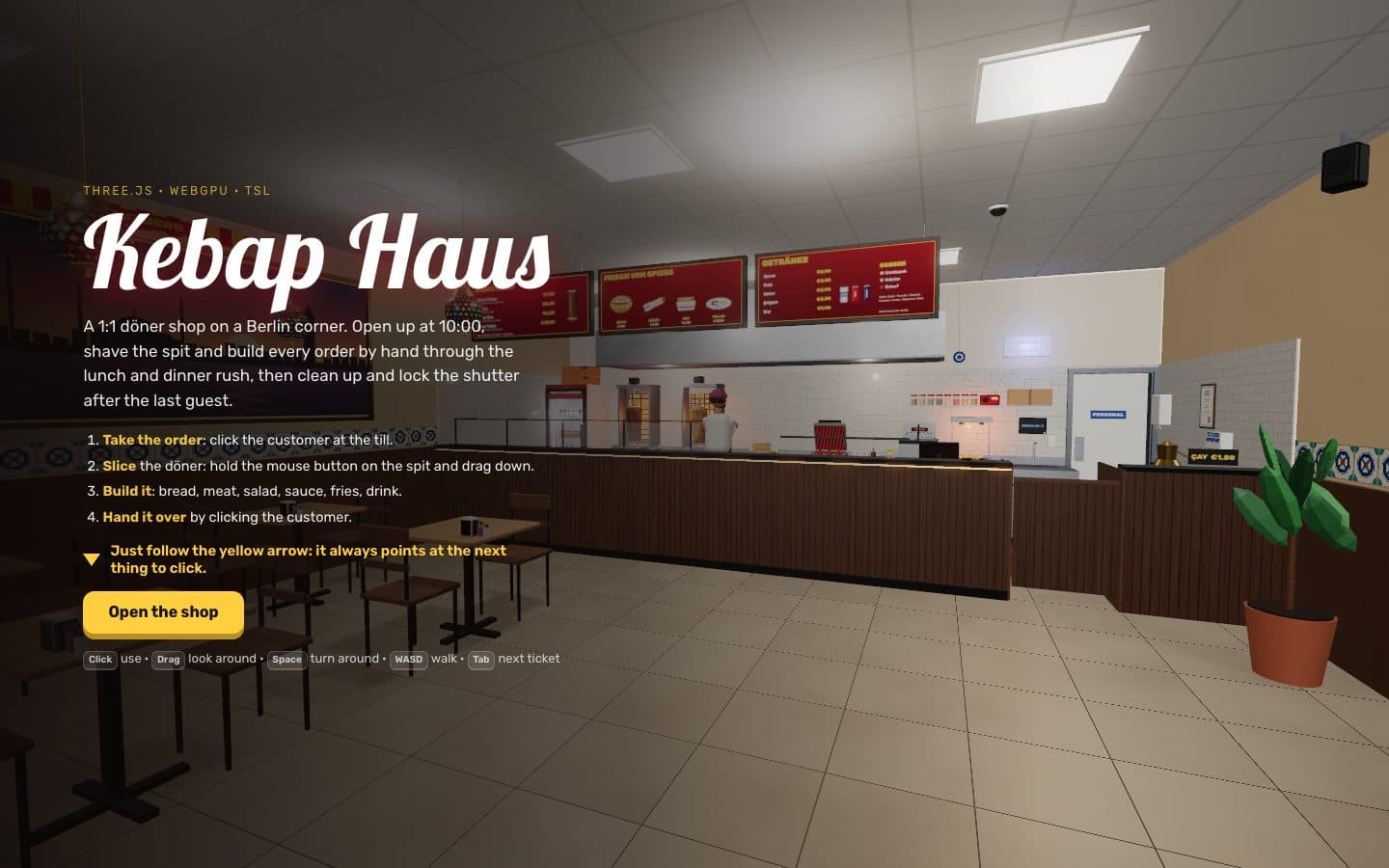
Run a 1:1 döner kebap shop on a Berlin corner: take orders, slice the spit, build every order by hand through the lunch and dinner rush, then lock up.
Open the shop →
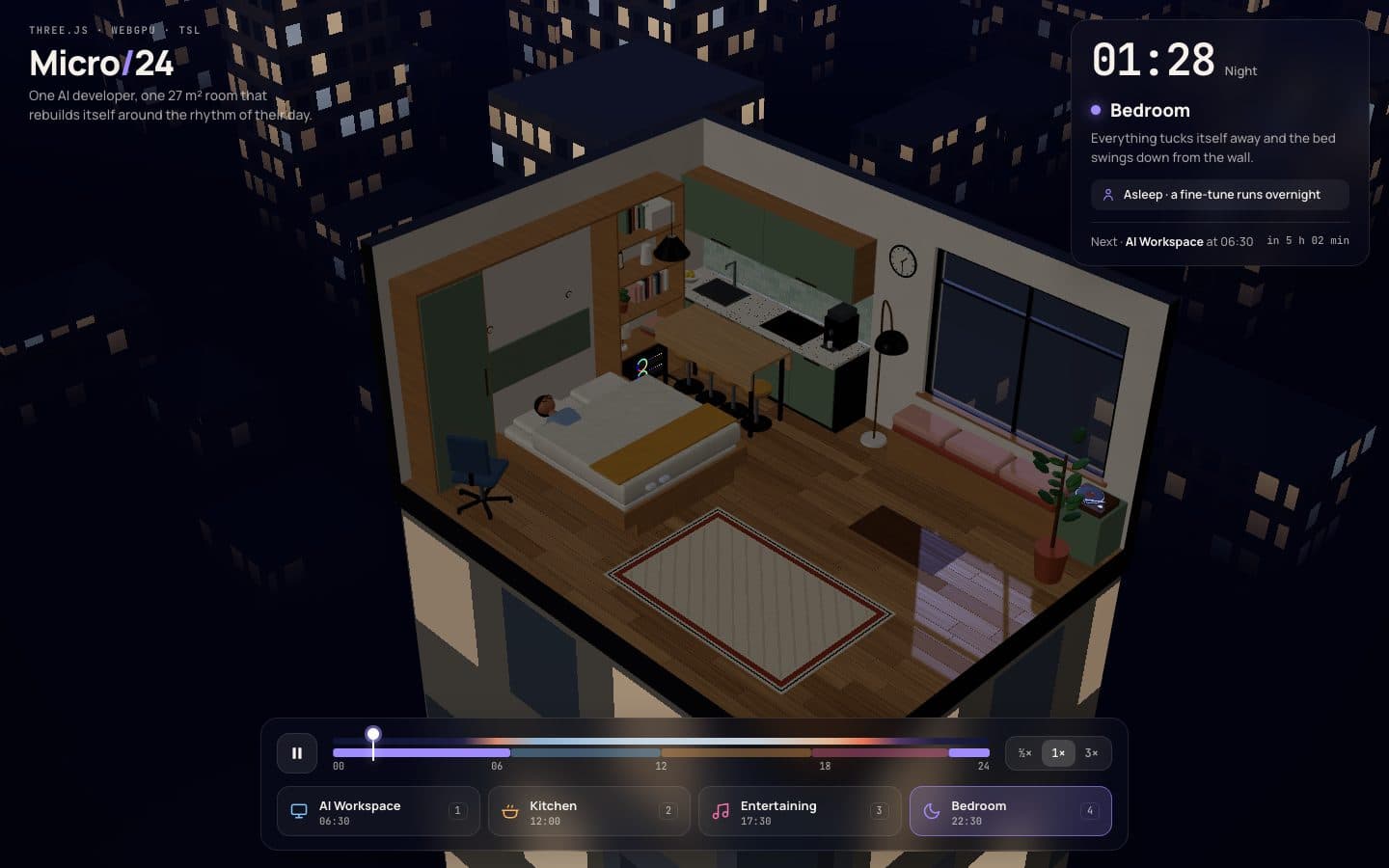
A 27 m² apartment that rebuilds itself around the rhythm of a day — workspace, kitchen, entertaining space and bedroom — with a timeline you can scrub.
Open the apartment →
// what I build
A short, replayable game that carries your brand — for a launch, a holiday, an event or a playable ad. Shareable as a link, embeddable anywhere.
Products, spaces and architecture people can explore, configure and play with in the browser, like Micro/24.
Friendly controls, guided steps and instant feedback — the patterns behind Brickyard's instruction booklet and glowing guides.
Mini-games, rewards, 3D viewers and playful onboarding built into an existing React or Next.js app.
// how I build
01 · days
You get a link to something you can play, not a slide deck. We decide what's fun with the game in our hands.
02 · week 1–2
Game logic lives in its own tested module; heavy lifting moves to Rust → WebAssembly when it pays off.
03 · ongoing
Custom shaders, animation and synthesised sound, tuned on real laptops and phones until it feels right.
04 · every change
A bot plays the whole game in a real browser after each change and produces a screenshot report, so nothing ships broken.
05 · launch
Static hosting on a global CDN. New levels, sets and seasons slot in without a rewrite.
// ways to work
1–2 weeks
4–12 weeks
ongoing
// faq
Yes. Games use WebGPU where the browser has it and fall back to WebGL 2 everywhere else, with touch controls and layouts tested at phone size.
No. It's a link. It can live on its own domain, on a page of your site, or inside a campaign.
Brickyard's whole rules engine is 9.6 KB and it runs at 60 fps; its only dependency is three.js. Small, fast pages are part of the job, not an afterthought.
An idea and who it's for. A rough sketch, a reference game or a brand guide helps; the first prototype will tell us the rest.
$ ./contact --start-project
Open to freelance frontend and browser-game projects — from a first prototype to a full launch.